The lessons from the Negotiation Café didn’t just prepare these young leaders for COP30, they fundamentally redefined what was possible when they stepped into the room. What began as training in negotiation language and strategy evolved into a powerful tool for advocacy, allowing them to articulate Africa’s urgent needs not as pleas, but as priorities. Below, more participants reflect on the insight that changed their perception, the challenges they had to navigate, and how this shaped their role in one of the world’s most critical climate conversations.
NEGOTIATION CAFE: FROM THE YOUTH NEGOTIATORS I
Negotiation Cafe empowered young African leaders to transform urgent climate needs from pleas into non-negotiable priorities at COP30.
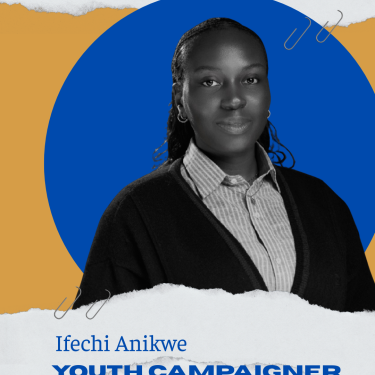
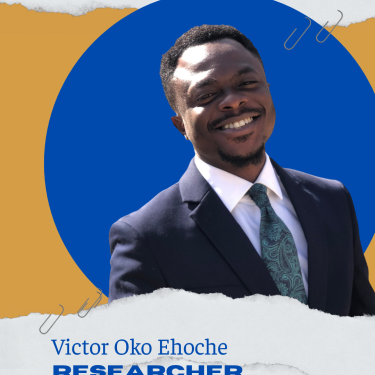

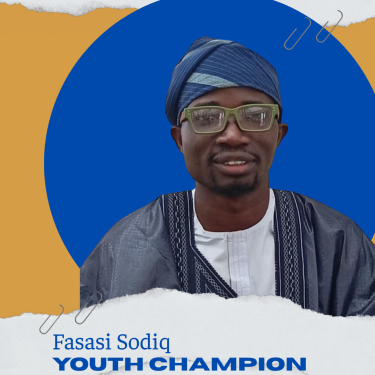
What one thing did you learn at the Negotiation Café that actually helped you advocate for Africa at COP30, and why did it make a difference?
Ifechi Anikwe
Youth Campaigner
The Negotiation Café was instrumental in preparing me for COP30 by demystifying the UNFCCC process and translating activism into actionable policy. The most significant insight was learning to reframe passionate demands, like "climate justice now," into specific, negotiable proposals, such as "a dedicated loss and damage finance mechanism with clear timelines." This changed everything; it shifted my advocacy from raising awareness to strategically engaging within the negotiation texts and building coalitions to amplify Africa's priorities.
This directly strengthened Nigeria’s and Africa’s role at COP30. We could articulate the continent’s disproportionate climate burdens like flooding and desertification within formal frameworks, pushing for crucial outcomes on finance, adaptation, and a just energy transition. By serving as bridges between grassroots realities and policy corridors, we ensured negotiations reflected frontline experiences.
Our unique, non-negotiable value as youth is an urgent, interconnected perspective. While others discuss 2050 as a distant milestone, we’re negotiating our prime years, our careers, stability, and future family safety. We see climate not as an isolated issue but as one entangled with jobs, mental health, and justice. We grew up online, so we’re not stuck in old ways of doing things. We can pull together allies from across the world in a day, keep things out in the open, and fight for new, brave ideas like swapping debt for climate action. Our urgency isn’t us being reckless; it’s the push these slow talks have needed all along.
The Café equipped us to move from the streets to the table without losing our fire, ensuring that at COP30, Africa’s voice was not just heard but strategically advanced by those who have the most to lose.
Looking back after COP30, what from the Negotiation Café had the greatest impact on your effectiveness at the negotiations?
Victor Oko Ehoche
Senior Research Officer, National Biotechnology Research and Development Agency
The most transformative insight was mastering strategic framing: the ability to shape narratives that align diverse interests toward shared goals. I moved from relying on technical and scientific expertise to becoming a strategic communicator who builds coalitions and crafts messages that connect Nigeria's and Africa's priorities, like adaptation and climate finance, to the global agenda.
This skill was crucial because it allowed me to bridge my background in climate and health security with the diplomatic process, helping reframe Africa's needs in terms of shared resilience and opportunity. It strengthened our delegation’s cohesion and amplified Africa's voice on critical issues like loss and damage. Ultimately, it shifted my role from being a technical contributor to an influential bridge-builder, ensuring our advocacy was not just heard but strategically advanced in the negotiations.
How did the Negotiation Café transform how you approached advocating for Africa at COP30, and what skill was key to that shift?
Olubukola Victoria Moronkola
Energy and Mining Economist - Nigeria Extractive Industries Transparency Initiative (NEITI)
The Negotiation Café fundamentally transformed my advocacy by moving me from a broad, global understanding of climate diplomacy to a focused, context-driven strategy for Africa. Before the workshop, my approach was informed by international frameworks but lacked a concrete link to Nigeria's specific economic and social realities. The Café changed this by drilling down into the "Nigerian context", disaggregating how climate issues impact every fibre of our economy and translating that into precise negotiation language.
The key skill in this shift was articulate and effective communication. This wasn't just about public speaking; it was the practised ability to refine complex national scenarios into clear, strategic messages that resonate in UNFCCC settings. It combined active listening to understand counterparts, patience to build coalitions, and the literacy to ensure our positions on finance, adaptation, and loss and damage were both compelling and actionable. This skill turned my advocacy from theoretical to planned, ensuring Africa's voice was present and persuasive at COP30.
What was the one lesson from the Negotiation Café that changed how you advocated for Africa's priorities, and how did you apply it to overcome the biggest barrier you faced?
Fasasi Sodiq
Founder and Chief Executive, The Fasasi Youth Foundation (FYF)
The most transformative lesson was gaining technical literacy in climate negotiations. Before the Café, I understood climate change's impacts and Africa's finance gap in general terms. Afterwards, I learned how to speak precisely about these issues within the UNFCCC framework, connecting local problems, like the waste management crisis I'm documenting, directly to global policy mechanisms like climate finance.
I applied this literacy to tackle the biggest barrier: lack of access to funding for local action. I am using the negotiation language to advocate for specific, accessible funding streams for grassroots initiatives. I highlighted how solving Africa's unmet adaptation and waste challenges required not just more money, but smarter, youth-accessible finance. This technical shift moved my advocacy from raising awareness to proposing actionable solutions within the negotiation process itself.
The insights shared here are more than reflections. Each story shows that real influence is built not on speaking the loudest, but on speaking with clarity, strategy, and purpose. As these leaders return to their communities and continue their work beyond COP30, they carry forward not only the outcomes of the talks but the ability to shape what comes next. Their journey reminds us that the most powerful advocacy begins with preparation and that the next generation isn't just entering the conversation; they're changing how it's held.