

COP30 might be over, but the real work has just started. For the young leaders who were there, the conference wasn’t just about sitting in big rooms, it was about finally getting a seat at the table and knowing what to do once they got there. Many of them walked in prepared, thanks to one game-changing experience: participating in the Youth Climate Collective’s Negotiation Café. Here, four participants share the one thing they learned that actually helped them speak up, push for what matters, and turn talk into action.
What is the most valuable insight you gained from the Negotiation Café that will directly shape your strategy and voice at COP30?
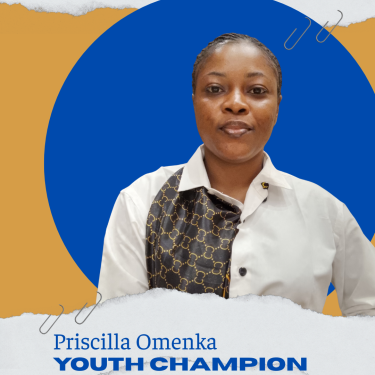
Priscilla Omenka
Team Lead, Ecofriends Ng
The Negotiation Café was truly an eye-opener for me. Before attending, I didn't fully grasp the actual processes and frameworks that guide COP negotiations. I did not know a lot of the structures, terminology, and procedural rules that were explained during the sessions, and I’m really delighted to now be well-informed on them ahead of COP 30.
Learning more about how the policy framework operates and how decisions are shaped within it, was enlightening. It helped me see the negotiation table not as something distant or closed off, but as a structured space where strategy matters just as much as passion.
This is crucial because, in a whole lot of ways, we as young people are the most impacted by climate outcomes, and our voices need to be heard. Understanding the process doesn't just give us a seat at the table, it gives us leverage to engage in a meaningful, informed, and strategic way.
What stays with me most is the unique perspective we bring: Innovation. Our lived experiences, combined with new ways of thinking and adaptive solutions, allow us to contribute fresh, actionable ideas that can reshape conversations and outcomes at COP and beyond.
What was the single most important skill you learned at the Negotiation Café that proved crucial in advancing Africa's priorities at COP30?
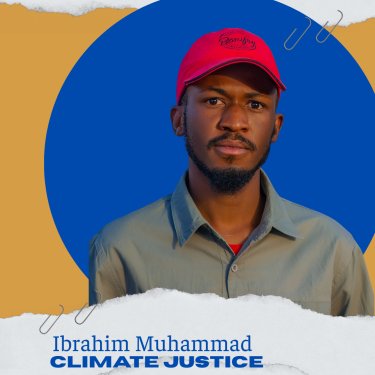
Ibrahim Muhammad Abubakar
Climate Justice Activist, Fridays for Future
Our top strategic priority at COP30 must be to secure equitable climate finance and adaptation support while ensuring Africa’s just transition to renewable energy is centered on access, jobs, and ownership. To achieve this, the most crucial skill we must master is strategic thinking – the ability to translate passion into actionable influence within the complex machinery of the UNFCCC, through coalition-building, precise policy language, and a clear vision of short- and long-term impact.
The Negotiation Café gave us confidence in the process, clarity on how to build alliances, and an actionable understanding of how to push for Africa’s priorities. As young negotiators from Nigeria and across the continent, our advocacy must focus squarely on finance, adaptation, and a just energy transition ensuring these are not just talking points but binding, accountable commitments. To turn these priorities into outcomes, we cannot rely on passion alone. We must cultivate strategic thinking: the skill to navigate negotiation dynamics, anticipate challenges, identify leverage points, and communicate Africa’s needs in ways that drive real, systemic change at COP30 and beyond.
How did this workshop transform your understanding of climate negotiations and what is the one skill you now believe is essential to act on this new perspective?
Comfort Apeh Francis
CEO Greenbridge Africa
Before this workshop, I didn't fully grasp how policy papers were drafted or how mechanisms like the Loss and Damage Fund were established and negotiated. My understanding of climate talks was surface-level, more about activism than the intricate processes that drive decisions.
The workshop completely shifted my perspective. I now have a clear understanding of COP processes and the negotiation skills needed to actively participate. Learning how declarations are formed, how countries collaborate and negotiate, and the detailed steps in creating policy frameworks has given me an in-depth view of how global climate governance actually functions.
This transformation has made me feel more empowered to actively engage and contribute solutions to the ongoing climate crises. Knowing how to add my voice effectively and how advocacy translates into tangible policy has moved me from feeling like an outsider to seeing myself as a potential contributor within the system.
Given this new understanding, I believe the single most important skill the next generation of climate leaders must cultivate is technical literacy. It’s the bridge between passion and impact, the ability to understand, engage with, and influence the technical frameworks and policy details that shape outcomes. Without it, advocacy remains outside the room where decisions are made.
Now that COP30 has concluded, looking back, which skill from the Negotiation Café do you think was most critical in helping advance Africa’s priorities and navigate the challenges faced?
Akachukwu Fred Ijeoma
SouthEast Regional Coordinator, Digital Climate Emergency Advocacy Nigeria
The Negotiation Café transformed my understanding from passive awareness to active readiness. I was trained on the ethics, rules, processes, and strategies of climate negotiations both as an observer and a delegate which demystified the UNFCCC system and refined my approach as a youth advocate.
To advance Africa's key priorities at COP30 securing climate finance, operationalizing loss and damage, ensuring a just energy transition, and centering adaptation justice the most important skill we must master is strategic empathy. This means genuinely understanding diverse perspectives while tactically advancing our agenda, turning confrontation into collaboration and turning technical jargon into shared solutions.
Young negotiators will face real barriers: limited access to decision-making spaces, resource gaps, and complex diplomatic hierarchies. To overcome these, we must combine strategic empathy with coalition-building, deep policy preparation, and persistent advocacy, ensuring youth voices move from symbolic inclusion to shaping tangible outcomes. With this skill and strategy, we can shift Africa’s role from victim of impacts to architect of sustainable, equitable solutions.
Whether it was understanding the fine print, thinking three steps ahead, or truly hearing where others were coming from, each of these leaders proved that making change requires more than passion. It takes skill. Now that the global talks have wrapped, they’re taking what they learned back home to keep building, advocating, and leading. And their message is clear: if you want to change the game, you’ve got to learn how to play it and play it well.